On Jesus “taking” a Life

Jesus gave his life.  God gave his Son. 

The Christian, Triune God does not take lives, or take away loved ones.  Death is not God taking someone, death is a problem we humans, in our sin, have made for ourselves.

God–Father, Son, and Holy Spirit, is in the resurrection business, not the death business.  God makes life out of death.

Nature as a Metaphor

IMG_0312
This week, the Daily Office Lectionary (the schedule that takes pray-ers and read-ers through most of the Bible in the course of two years, found in the back of any Book of Common Prayer, and online in various locations, like this) has been taking us through Isaiah.  This prophet’s words are major faves for Messianic imagery and promise–Isaiah’s are the words ones Jesus quotes most during his ministry as recorded in the Gospels.  They’ve been fertilizing my heart the last few weeks (and months–in our women’s Bible Study); here are a few thoughts on two verses from Isaiah 43, part of the Lectionary’s reading in the last week.

“When you pass through the water, I will be with you; and through the rivers, they shall not overwhelm you; when you walk through fire you shall not be burned, and the flame shall not consume you.” Isaiah 43:2

We have, we do, we will face rivers and fires–storms of relationships and financial stability and physical/mental health–there is no promise God ever makes that we will be shielded or that we can avoid trials and pain in our lives.  The promise made to us here is that when we face pain and trials, because we will, we won’t be drowned or choked or suffocated or burned or consumed–we won’t be killed.  When we face pain, we have an opportunity to grow and learn and to become stronger through the trouble we’re encountering.  If we stick stubbornly to God, like a burr on a dog’s coat, our trials become moments that we can learn trust, and we can come out the other side stronger and happier and closer to God than before.IMG_2303

“I am about to do a new thing; now it springs forth, do you not perceive it?  I will make a way in the wilderness and rivers in the desert.” Isaiah 43:19

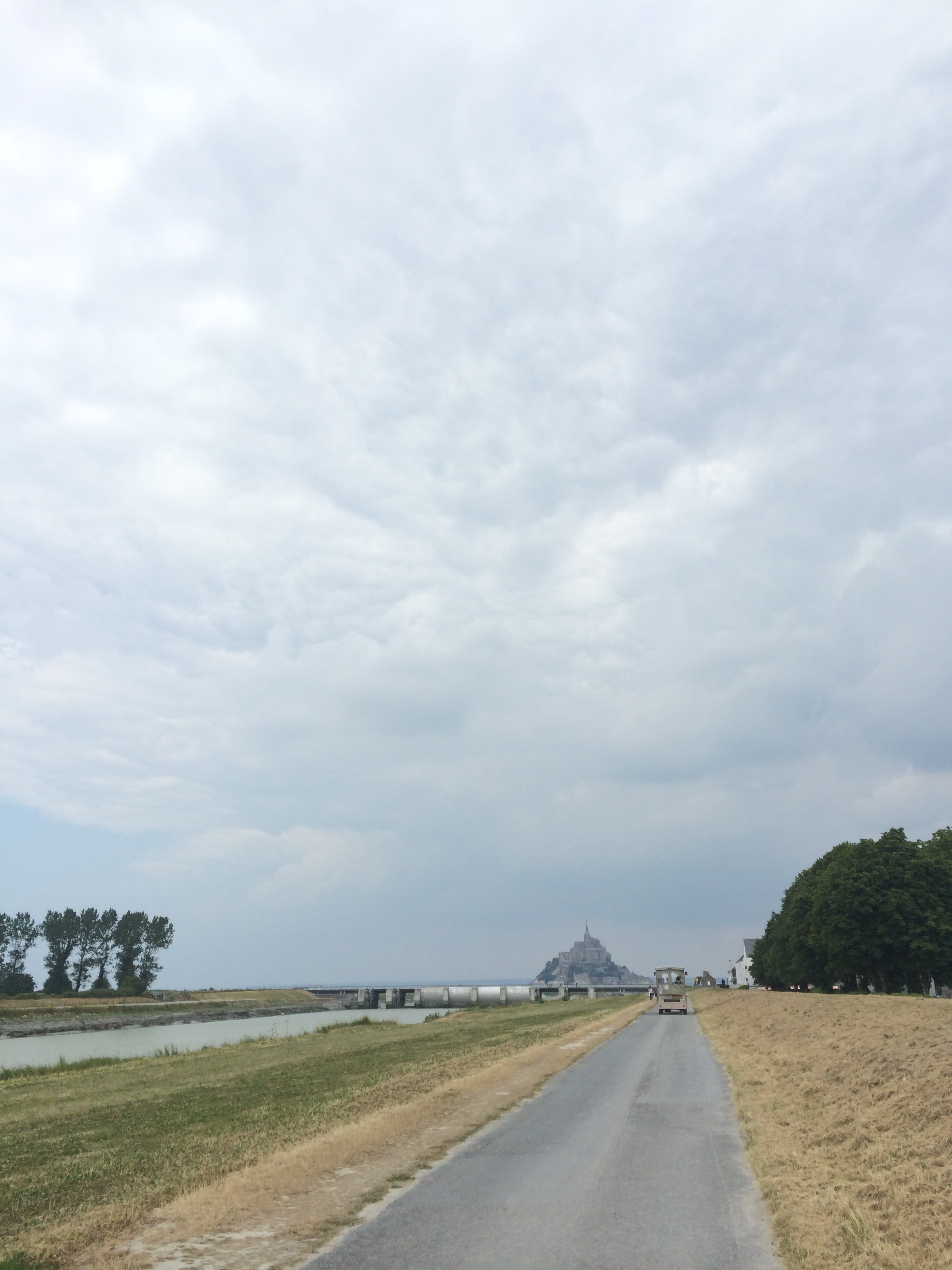
We don’t experience much physical wilderness in our day & age–there aren’t any places on the earth that haven’t at least been mapped, if not overrun with people and paths and conveniences (especially in the US)–but perhaps you can imagine what it might be like to stand on the edge of a desert, or at the end of the road leading into the nature preserve (if that’s the closest we can imagine to “wilderness”!), and try to conceive a way through the uncharted space to wherever it is we’re supposed to go.  Even if it’s like a park, and there are paths running through this “wilderness,” such ready-made paths never seem to go quite the right direction.  Though we face areas of wilderness in our lives–relationships that are stuck and have no clear direction out of the mud, medical or financial or other problems that have only walls and uncertainty–God will guide your path (the one for just you–not a pre-made, well-worn path, perhaps).

Bible Study Notes (Isaiah 13:1-16)

On Mondays, a women’s Bible Study meets at my home; we’ve been winding our way through Isaiah this year, taking as much time as we can to turn the Word over in our hearts and dig into this prophet’s message for our own day.  Here are some of our gathered thoughts from this week:

The LORD declares war on the tyrants and oppressors, raising his own army to fight them (v.3,11); God is angry and fierce and full of wrath (v.9).  How does this jibe with the God we know whose “property is always to have mercy”?  (BCP 337)  We know that God is holy (this is one of the main themes of Isaiah), and so to look at this passage through God’s property of holiness, we may find that his “property” is holiness, and when holiness comes into contact–“reacts” (to use chemical jargon)–with sin and evil, the result is anger and wrath.  We throw ourselves on God’s mercy, knowing we are unworthy, depending fervently on Christ’s sacrifice to reconcile us to God.

What of the violent language used?  “war” and “armies” and “tyrants” and “fighting”?  How is this the same God who we know through Jesus Christ, who told us to put down our swords?  A clever woman amongst us (not me!) mused that this was the sort of language, the sort of bluff-calling, that was necessary to communicate effectively with Isaiah’s audience.  The tyrants and oppressors–the kings being addressed–say, “I have great armies and strong bulwarks, no one can touch me!  I am like god!”  God replies to them, “No no no–‘I myself have… summoned my warriors (v.3).’  Don’t be mistaken, there’s only one God, and it’s not you.”  Perhaps God earns respect with the kings by playing tough–speaking the truth in language prideful tyrants will understand.

Isaiah isn’t so cut-and-dry that we see those (pointing fingers) evil tyrants over there, and we are the holy people trusting in God over here.  We’re exempt.  We each have bits of hardness in us, no matter how much we love and trust God.  We’ll never stop being sinners, and we come to God again and again with our hardness and limitations–especially in our weakness and self-deception (which are times when we don’t come to God at all!).

The thing is, we live in America, we (attendees, and probably most readers…) are white and upper-middle class, we are educated and we have voices that “matter.”  We wield a staggering amount of power in our society, mostly because of our socio-economic status and because of our degree of education.  What is it that we’re doing or not doing with our power that may be making us tyrants?