“In the midst of life we are in death.”
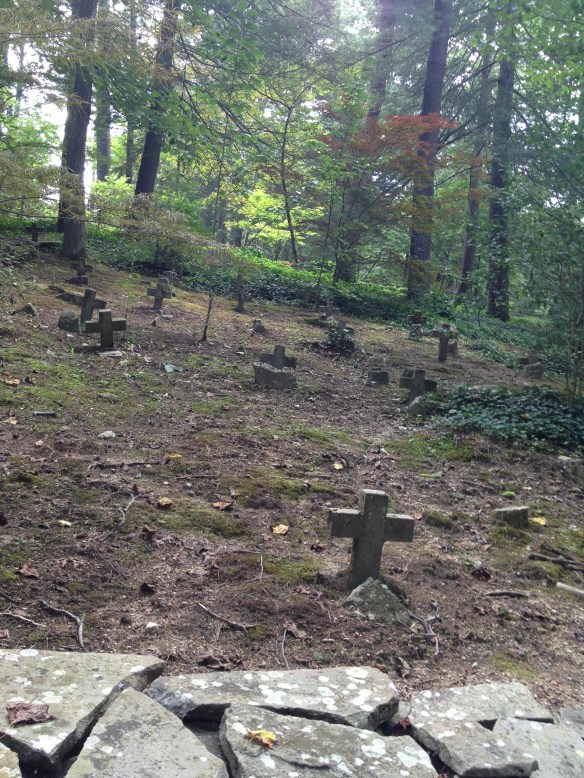 You know the feeling in the pit of your stomach that comes when you hear that someone has died? Like the feeling you got when you read about Robin Williams’ end, or perhaps the death of a very distant relative, or a vague acquaintance. It’s a feeling of sadness, and maybe even a few tears, and it might even be a sort of cloudiness that hangs around you for a few days.
How much more we are overcome when someone truly dear to us dies. The void is indescribable, the feeling is one of physical illness (if it can be put that mildly). This is a universal human experience. Everyone everywhere learns at some point what happens to a person when a loved one dies. No one that I’ve come across has been able to say that this was truly a good thing–that there is somehow happiness and joy in this event. Platitudes about the end of suffering and being in a better place do not provide salve for the jagged wound ripped in our hearts. Remembering the good times does not erase the horror of a cold body and eyes which won’t twinkle anymore.
Many modern funeral services try to take buttery platitudes and whip them with sugary remembrances and frost over the whole ugly, dark, mess of death.
The problem is that this is not only unhelpful to the grieving, but simply unchristian. Psalm 23 declares that even in the valley of death, God is near, humanity is never alone. Why, then, run from death’s shadow? Why gloss over the pain of loss, dragging the mourning from their loved one’s still-warm body back into sunshine if we trust that God is with us in darkness, too?
Our culture denies death at its every turn. Exorbitant hospital bills which accompany the last 2 months of life, super-scientific cosmetic cream advances, putting away senior citizens in nursing facilities–these distract us from the reality of death and continually shove us into the eternal sunshine (of the spotless mind–a film with a very applicable commentary on this problem).
If the church cannot stand with the grieving in the shadow of death, who will stand with them? Jesus does, of course. If the church is not standing with the mournful, the church is not standing with Jesus.
The powers of sin, darkness, despair, depression–these are forces that destroy and kill; they are the second-most-powerful forces in existence. There is one force which defeats evil and that is God’s love. God does not sush the grieving or pat the mourning on their heads; God stares death in the face without fear because it is no match for the power of his love. This is the love for which the world thirsts.
“I am the resurrection and the life, saith the Lord;” the only hope for humanity is in God’s life and love. The point of worship is to bring our creeping despair, our nagging sadness, our disorienting grief and to lay it on the altar of God. In order to give up our fear of death and our horror at the chasm it leaves in our lives, we must be able to fully bring it with us into the midst of God’s courts.
The purpose of the service for the Burial of the Dead in the Book of Common Prayer, as it has been for centuries, is to allow us to pour ashes on our heads and to sob in the streets and to take the shadow of death which steals the sunshine and to notice that God is with us in that shadow, and then to let God destroy death through his own resurrection. Like all other services in the Book of Common Prayer, it is not about us or about any impressive member of our number (or even a pair of our number–in the Celebration and Blessing of a Marriage); worship is about God–always.


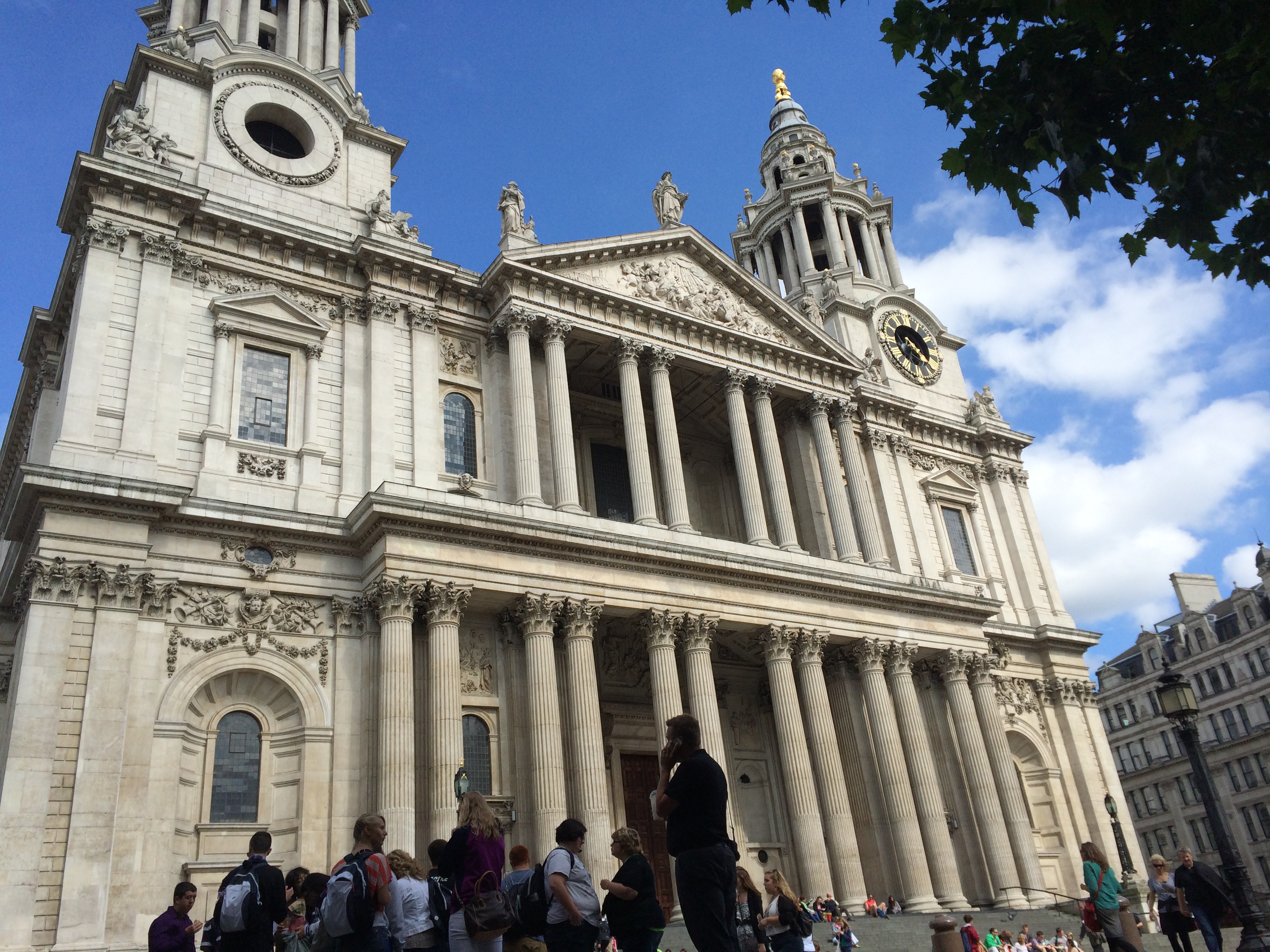
 Choir Camp is still knocking around in my head and heart, I couldn’t help but write more about it! Today, I reflect further on how God is at work in
  hope of things not seen