Unknown's avatar

About Emily

midwestern belle, Episcopal priest.

gluten-free roundup number 1

IMG_0287-1

(a little reminder to help me in my first week)

1. gluten-free gnocchi & 2. spicy pork ragu  the latter is a fail-safe favorite, first made for a cold, dark, windy Valentine’s Day in St. Louis; the gluten-free gnocchi, at least this recipe, wasn’t super successful (as in, keeping it stuck-together), but I’m curious to try this one next time.

3. veggie pasta a favorite from pre-gluten-free days, because it’s so veggie-rich.IMG_0280-2

4. apple and raspberry crumble (I subbed oat flour for the regular flour, and made about 1/2 recipe–just 4 apples, etc, for a smaller batch)

5. raspberry oat muffins I used oat flour instead of regular flour in the recipe, and put the batter in a muffin tin (baked for 20 minutes) instead of a loaf pan.  Though the muffins were more delicate, they firmed up enough to handle as they cooled down, and I love the oat-y texture.

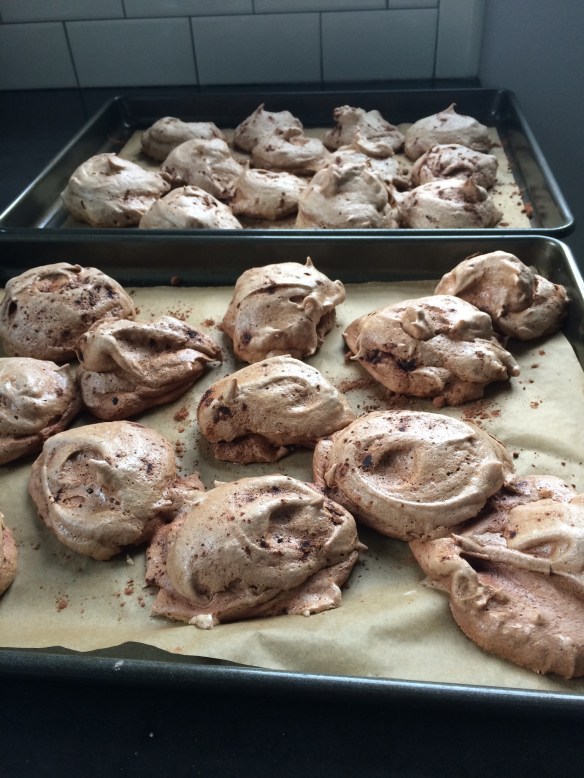
6. chocolate meringues a naturally gluten-free dessert, a la Manger, my favorite French cooking & lifestyle blog.

IMG_0298-2

7. vegan brownies another pre-gluten-free favorite that has made the jump naturally–an easy, easy use for languishing bananas.

the morning after

when I woke up the first morning as Mrs. Hylden, the morning after our wedding, I came to a discouraging realization: I am still the same person I was yesterday.

I had this strange, unexpressed expectation that when I got married, I’d change–overnight.  I’d become a grownup and I’d brim with that patience and generosity and perspective that I’d always struggled to cultivate.

IMG_0265.JPG
The morning of May 30th, I got up with an extra band of gold on my finger, a new name and a new commitment, but I didn’t really feel any different, and I surely was not magically oozing fruits of the Spirit.

Yesterday, I tried making gluten-free gnocchi for the first time.  Longer than forming the dough, rolling and cutting the individual gnocchi(s?), was the shopping–three grocery stores later, I only had to make one (not super effective) substitution.  As I was chasing down new ingredients and throwing myself into the deep end of gluten-free substitutions (having mastered gluten-ed substitutions awhile ago), I fought my frustration at the glacial pace and inefficiency of the whole process.  Scouring shelves, rereading recipes and searching google on my phone to find “substitutions for sweet white rice flour,” made me realize the same thing I’d learned when I woke up May 30th, 2011: Life takes time.

Earlier this year, a dear colleague from the cathedral took a new job; at a party, a parishioner asked her about the new work.  Reflecting on the joys and challenges of inhabiting a position with both promise and little preconceived shape, she said of change, “It keeps you honest.”  Rather than being lulled into complacency by certainty and repetition, changing circumstances encourage us to grow in uncomfortable but transforming ways.  We never wake up one morning having arrived, we (or at least I) rarely complete our to-do lists in one day, and no one–ourselves or others–change as quickly as we hope they would.  Life takes time.

Time to adjust to a new lifestyle–job, diet, exercise regimen, environment.

Time to heal from wounds–relational or physical.

Time to change our habits, learn new skills, be transformed into new people.

“Be present, O merciful God, and protect us through the hours of this night; so that we who are wearied by the changes and chances of this life may rest in your eternal changelessness; through Jesus Christ our Lord(Collect for Compline, BCP page 132)

shavasana in life

I used to think that shavasna was a cop-out pose, the liturgical lie-down at the end of a yoga session that was for the old ladies who really didn’t have the physical acuity left in them anymore.

Maybe I’m one of those old ladies now, but I’ve discovered shavasna to truly be not only the most important yoga pose, but a truly vital life-pose as well.

Part of the point of yoga (part of the point of liturgy!) is to mimic parts of our everyday lives, that our bodies, minds, and spirits might learn to respond differently when faced with stressors or with joys.  My body gets itchy for downward dog and plank when in the midst of a rough day at the office (I’m notorious for popping down onto the carpet for some relief).

2014-07-02 07.03.26

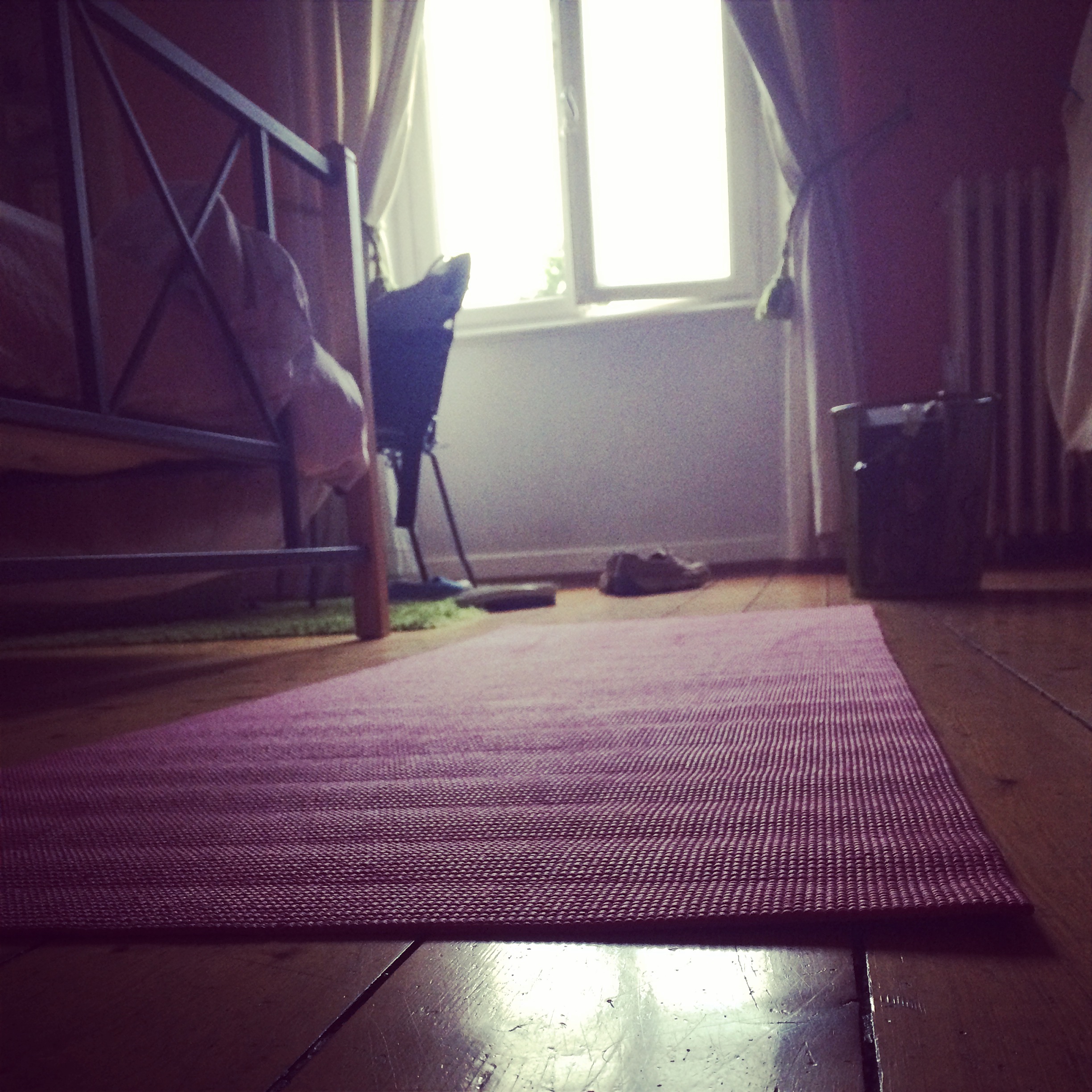
Shavasna, in English–corpse pose, lying on your back with arms and legs extended naturally, is the end of every yoga sequence and the time when the body absorbs all the energy, air, life, strength, and stretching that you’ve been pushing around in it for the last hour or so.  I imagine it like a tres leche cake–the spongy cake soaking up all the milk and cream that is poured over it.  Our bodies are like spongy cake, letting the goodness we’ve cultivated through stretching our bodies fill up our bodies and stick around our souls.

“Reflection upon experiences is when wisdom comes.”  Instead of just grabbing and gathering experiences–stuffing them into our life-rucksacks, we need to sit down and process them both consciously and unconsciously before we can really benefit from the thing we’ve been through.

In less-grand parlance, taking a few minutes to gather thoughts after a meeting, or to think back through a day to the emails you’d promised and the epiphanies you’d had, can both keep your life on track and serve as a great boost–remembering all those things that your day entailed, accomplished, and surprised you with.

Too often, I tell myself I’ll recap later, I’ll remember later, and I’ll consider it later.  You won’t be surprised to hear: I don’t.

Mostly, I don’t remember the details and nuances of the meeting or lunch, sometimes I just don’t remember anything at all.  These moments are given to us as a gift, and to devote even more time to them–just a few minutes at the end of a day–gives them honor, cements the good in our mind, and perhaps even makes us better at replying to emails and keeping our promises.

Shavasna is our body’s reflection on its hard work; our minds, hearts, and souls deserve and demand the same–in our work and in our lives.

this morning

as I spent Monday morning sleeping the weekend off (in a facilitating-a-junior-high-retreat way, not in a Duke-girl-socialite way), my dear husband ran to CVS to buy more Allegra-D (the only way to survive autumn in South Carolina) and then sat in the next room, reading “his friend” (we use this phrase very liberally in the Hylden household) Rod Dreher’s blog.  When I awoke at noon (maybe I’m becoming the junior-highers with whom I spent the weekend…), I checked my email and found this excerpt:

“I started it on Sunday September 3. Here’s why I bring it up now: I found that after doing without wheat, corn, rice, and potatoes, the mono symptoms had dramatically declined. Not gone away, but gotten a lot better. Normally I have constant inflammation in my nasal passages, and feel worn down, as if my body were doing all it could to fight off an invader. That still happens, but not nearly as often. Every day I was having to take a nap several hours long, in the middle of the day. I’ve only had to do that once since I began this diet. I even noticed that symptoms of Raynaud’s Syndrome, an autoimmune condition with which I was diagnosed six or seven years ago, have become milder.”

While his wife was starting up the seasonal sudafed regimen and sleeping several hours in the middle of the day (of course, those two alone are probably related), Jordan stumbled upon the witness that broke the camel’s back.
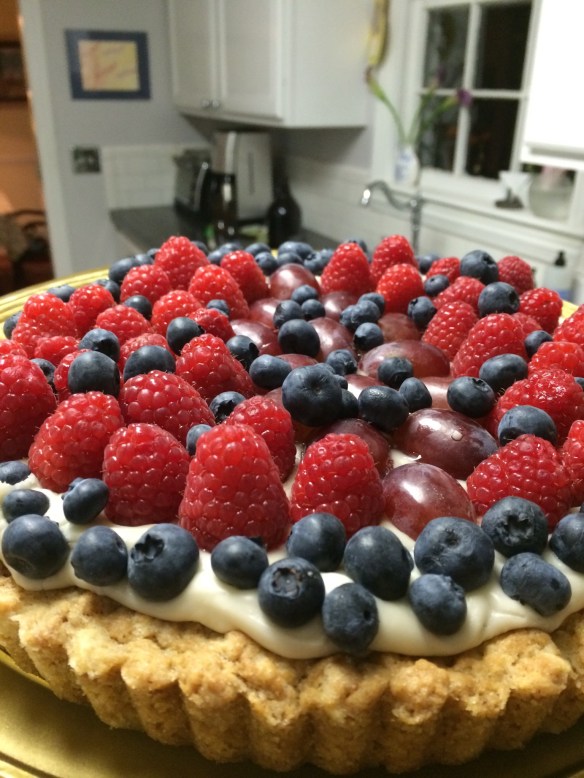
IMG_0203I’ve been wondering about the relationship between gluten and autoimmune diseases for years (having activated my Rheumatoid Arthritis about this time of year 13 years ago), and toyed with going gluten-free two or three years ago.  In the end, my passion for baked goods, pasta, pizza, and all the good things in life (even a burgeoning affinity for beer) won out over trying a lifestyle without wheat.

The voices in my head of my doctor-father and my common-sense-filled (child-of-a-farmer) Midwestern husband, had helped my rationalization, along with colloquial witnesses that attested at least a six-month cleanse period before any effect was noticeable.

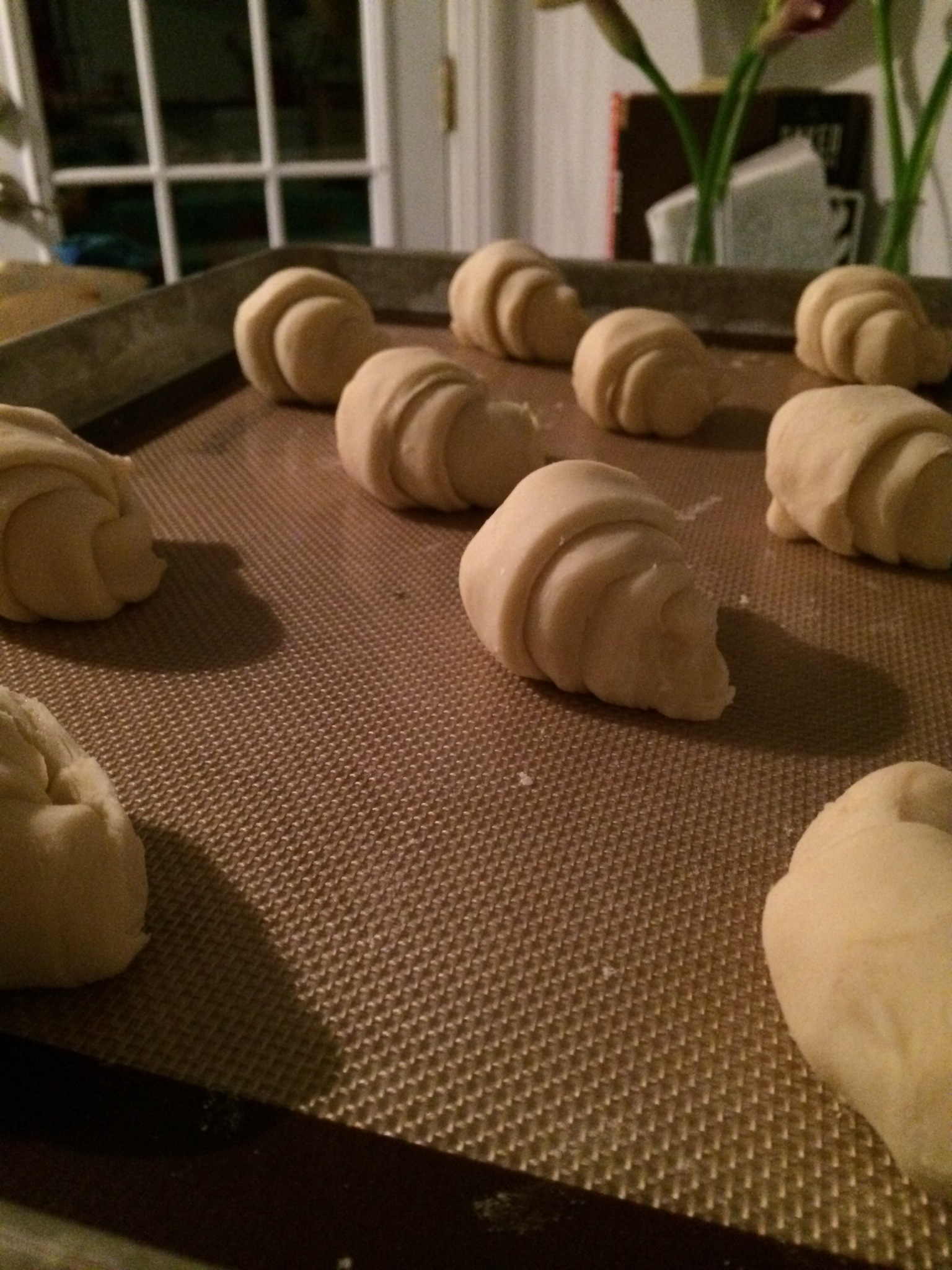
With the shift of Jordan’s vote and my generally-antsy feeling at this seasonal shift, I’m ready to try it.  Maybe not for six months, but if changes are noticed in a mere 5 days (as in Rod’s case), surely a few weeks is a reasonable goal.  Starting today (for better or worse, I didn’t have a croissant or any gluten this morning before my resolution), till the end of October (coincidentally, the anniversary of the day my RA went full tilt), I’m giving up gluten.

IMG_0204

As last November dawned, I remember thinking to myself, “Good lord, where did September and October go?!”  Trinity had hosted the former Archbishop, Lord Carey, I’d started up with the Canterbury College Ministry at USC, launched a monthly Drinks & Discussion, and I turned around, and autumn was gone almost without a mention or moment of reflection.

May this intentional and somewhat terrifying commitment demand a bit more attention to the present this season.

How are you mindful about what you eat and how it affects your general well-being?

happiness list

Focusing on positive moments, events, and experiences, every week.

1. spontaneous hour-long phone conversation with a friend this week (it’s the unexpected heart-sharing moments that stop time and

2. the super rainstorm Friday morning, and the chilly breeze this morning.IMG_0269.JPG

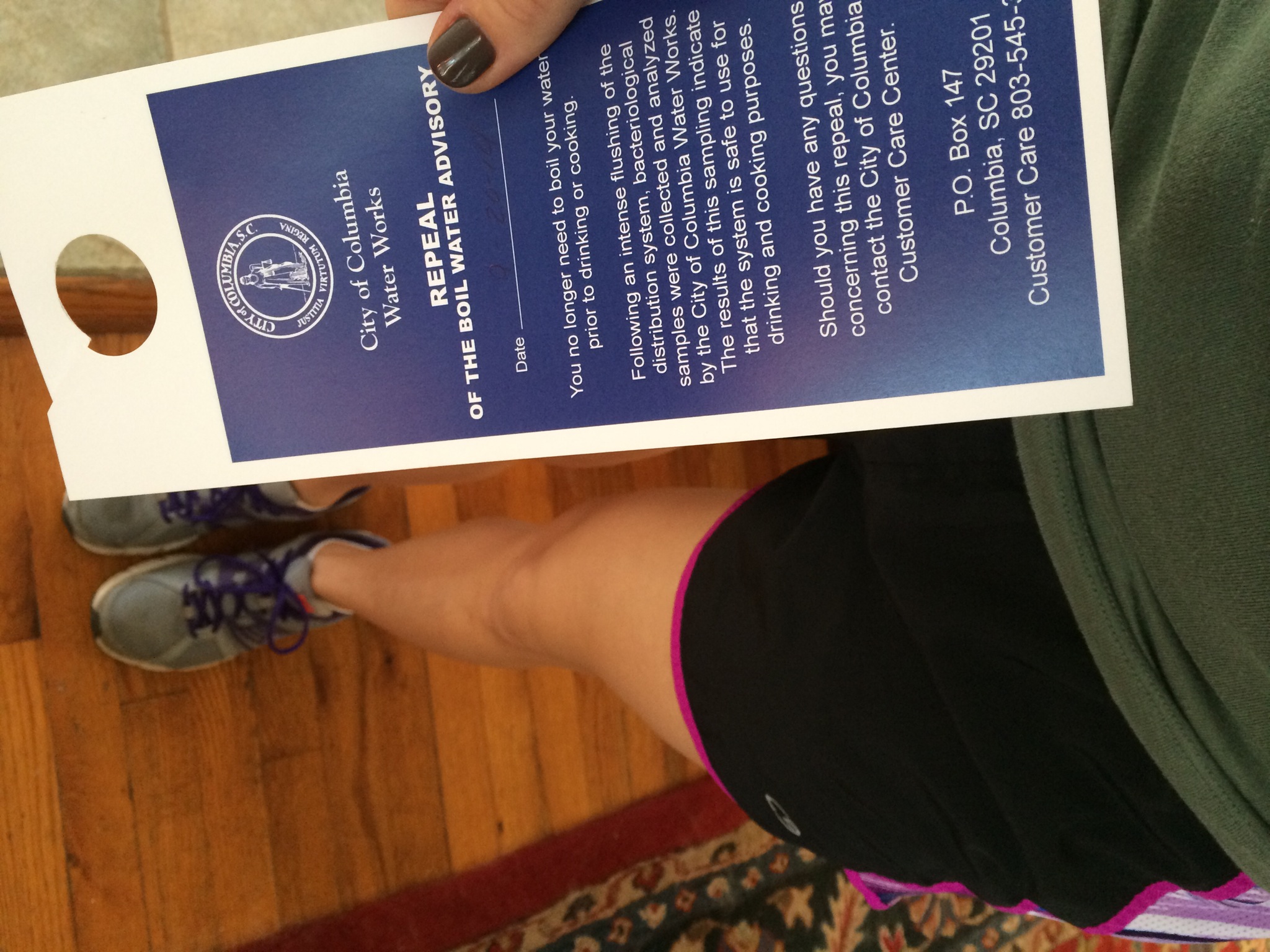
3. Water boiling-advisory lifted just in time for the all-day retreat Saturday (Such a first-world problem!  It felt a bit like camping out in my own house; the thing I missed the most was my shower–what a luxury and reset button…)IMG_0272